
The Collegium is a forum for Caucasus Studies researchers and lecturers, offering a common space for interaction, academic discussion and joint research activities and lecturing.
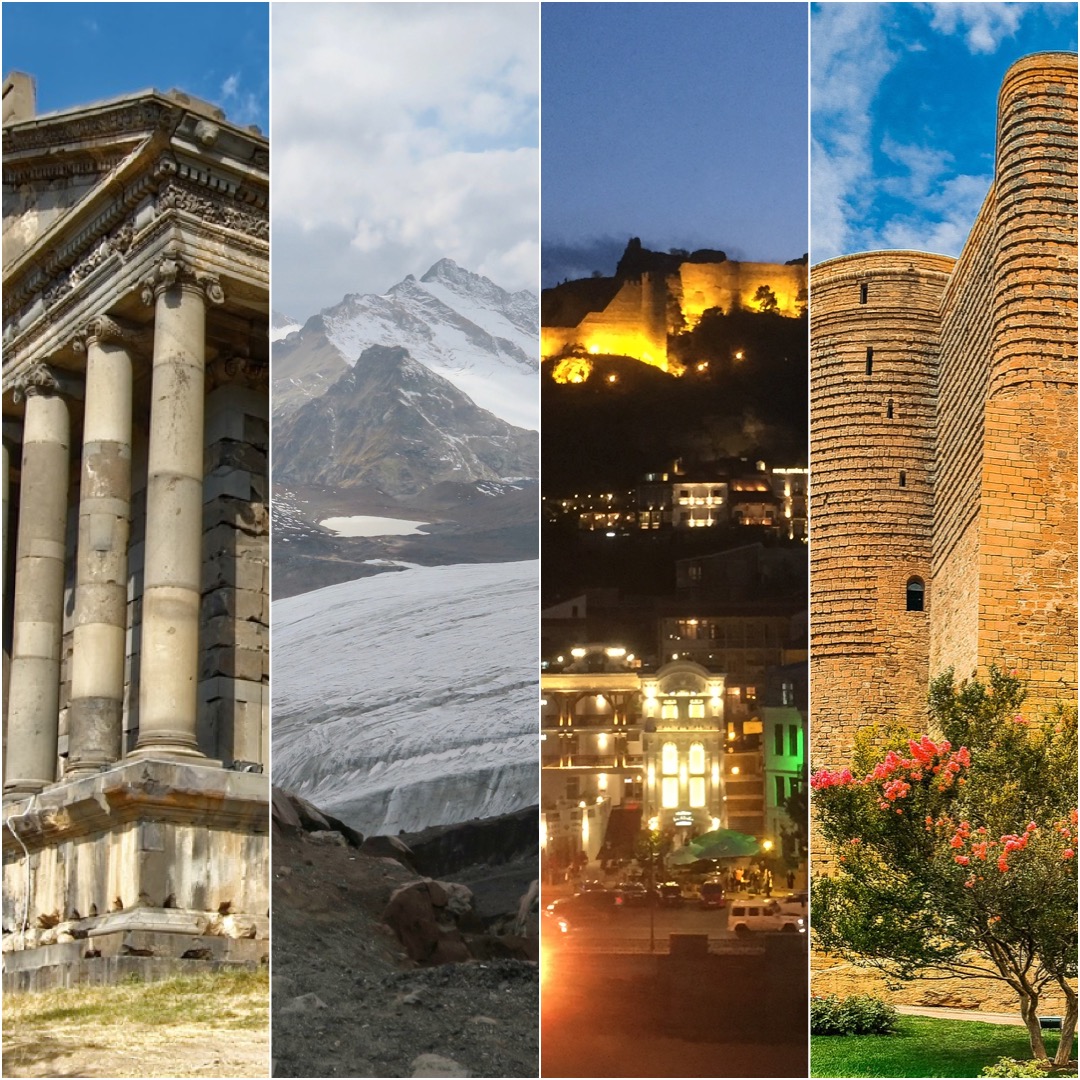
The Caucasus is well-known for its ethnic and linguistic diversity. Since ancient times it has been called the “mountain of tongues”. This diversity has played an important role in the social and political development of the region. The official approaches to handling this diversity has differed during different periods in history – the tsarist, Soviet and post-Soviet periods.
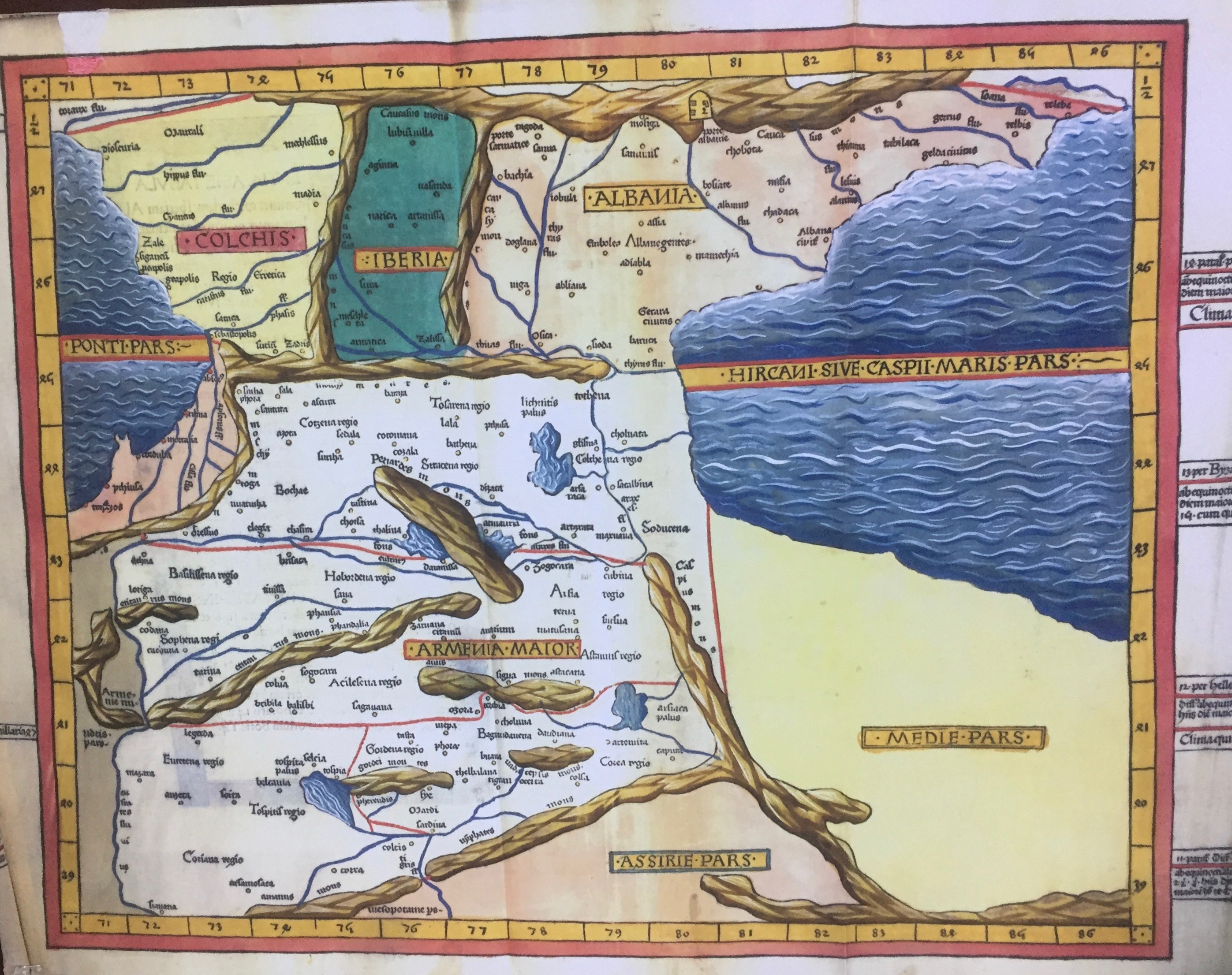
Interest in the Caucaus and its geography and inhabitants is of a very early date. The historian Herodotus (b. 484 BC) stated: “Along its western shore stretches the range of Caucasus, which has more and higher mountains than any other range. Many and all manner of nations dwell in the Caucasus, and the most of them live on the fruits of the wild wood.” In his work the geographer Strabon (b. 63 BC) included an extensive description of the Caucasus region, of its regions and peoples. Photo: Map of Greater Armenia, Caucasian Albania, Caucasian Iberia and Colchis, according to Prolemy’s Geography 2nd c.

Both in the North and South Caucasus there has been a clear rivival of religion during the Post-Soviet period with the building of new churches and mosques. Discussion of Islam and radicalisation in South Caucasus has to a great extent centered around Georgia’s Pankisi gorge (Photo: K. Vamling, Pankisi mosque).
“Why Caucasus Studies? This dynamic region catches your interest with its astonishing diversity – in so many different aspects: ethnically and linguistically, in a political-administrative patchwork of four independent countries and many substate entities, often involved in conflicts. Different shades of Christianity and Islam have old traditions in the region. The biological diversity is rich and sometimes endemic in the versatile, from alpine to subtropical, landscape. The history of conflicts and conquests goes back to ancient times, as a consequence of its geopolitical location, connecting Europe and Asia.
Welcome to Caucasus Studies Collegium!”
Prof. Karina Vamling